Science
Chemistry
Microplastics
on Microplastics
The SPSAS on Microplastics is an interdisciplinary forum designed to help students understand one of today’s most urgent environmental challenges through a structured, science‑driven lens.
September 1st to 11th,
2026
When
Unicamp and CNPEM
Campinas, Brazil
Where
Advanced Discussions on
Microplastics
By exploring microplastics from the inside out—examining their polymer chemistry, surface interactions, ecological impacts, and the global policies shaping solutions—participants gain a uniquely comprehensive view of this pollutant.
If you want to deepen your scientific expertise, engage with cutting‑edge research, and contribute meaningfully to discussions on environmental stewardship, enroll for this opportunity!
The SPSAS (São Paulo School of Advanced Science) Microplastics project is divided into 4 areas that we consider essential for organizing discussions around this pollutant. See the boxes for more information.


Interior
Discussions on the polymer science happening within microplastics and how it influences their behavior in the environment
Interior
Discussions on the polymer science happening within microplastics and how it influences their behavior in the environment
Topics covered
- Polymer formulation, from its necessity to the environmental impact of chemicals of concern;
- Diffusion in polymeric materials and their research bottlenecks in environmental sciences;
- Mechanical properties and impacts on fragmentation dynamics in micro- and nanoplastic formation processes;
- Degradative processes involved in weathering processes.
Surface
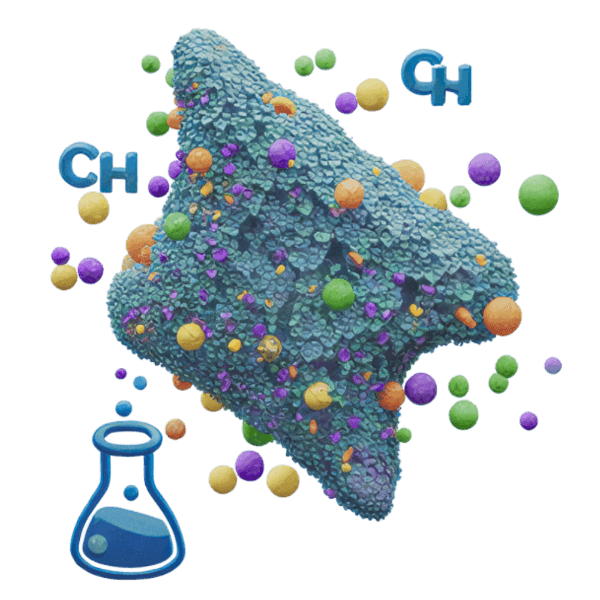
Surface phenomena in microplastics and how they influence the interaction with other substances
Surface
Surface phenomena in microplastics and how they influence the interaction with other substances
Topics covered
- Partitioning of substances on the surface of microplastics and the effect of environmental change;
- Sorption of pollutants and potential influence of organic matter;
- Leaching of additives;
- Dynamics of formation and impacts of biofilms/plastispheres formed on the surface of microplastics.

Exterior
We will discuss the impacts of microplastics and their derivatives on the environment
Exterior
(Impacts)
We will discuss the impacts of microplastics and their derivatives on the environment
Topics covered
- Mechanical ecotoxicity of microplastics in digestive system clogging and tissue damage;
- Transport between and within terrestrial, atmospheric, and aqueous environments;
- Ecotoxic impact of additives and degradation products on the environment and human health;
- Identification and characterization of microplastics.
Beyond
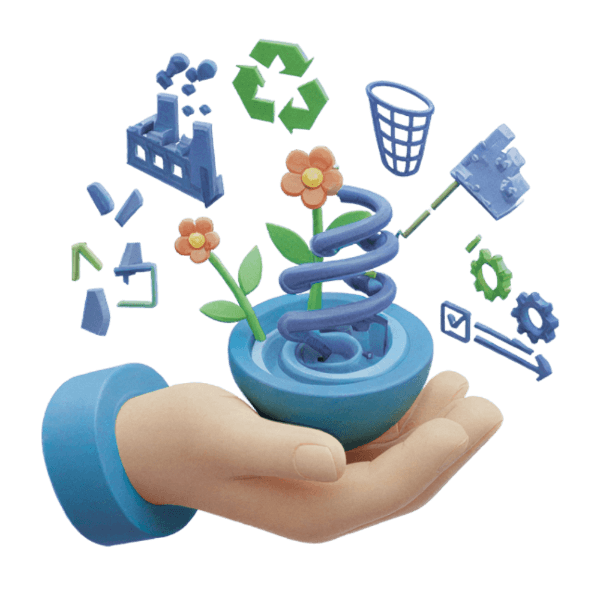
What have we done or can do to combat the plastic pollution crisis?
Beyond
What have we done or can do to combat the plastic pollution crisis?
Topics covered
- Multilateral Regulation and the case of the Global Treaty against Plastic Pollution;
- Public Policies with extended producer responsibility and chemical transparency as a human right;
- Science diplomacy;
- Open Science.


Between 1 and 2 million tonnes of plastic enter the oceans each year, contributing directly to microplastic contamination
Why microplastics
matter
Microplastics are the most pervasive facet of plastic pollution. They are complex materials made mainly of a polymer embedded with a diverse mixture of chemicals coming from the intended formulation of the plastic product it once was, the weathering reactions, and the pollutants the microplastic met along its journey. This complex fragment has an extraordinary transport potential through air, water, and soil, and a variety of chemical and physical ways of interacting with its surroundings. All these complexities must be studied and understood to make it possible to tackle the issue and inform the public debate around plastic pollution with evidence-based science.
The São Paulo School of Advanced Science (SPSAS) on Microplastic was conceived to address the microplastic complexities dividing the problem into four frameworks:
Inside the microplastic: dealing with the polymer and chemicals added to or coming from the plastic
On the microplastic: exploring what happens on the surface of microplastics
Around the microplastic: discussing the interaction dynamics with the several media where the microplastics are
Regulatory framework: the public debate and the viable actions stemming from evidence-based science toward regulatory policy


Expert
Lectures
The lectures delivered by renowned speakers, including international and Brazilian experts, will provide participants with access to knowledge and integrated discussions that will contribute to their interdisciplinary training.
The School will also help students establish important connections for their careers, offering an excellent opportunity for networking and professional development.
An intensive and interdisciplinary program training early-career scientists to address the challenges of plastic pollution through research, critical thinking, and evidence-based policy


What are
SPSAS?
The São Paulo Schools of Advanced Science (SPSAS) are supported by FAPESP (São Paulo Research Foundation) and bring together scientists and students in short courses to analyze advanced topics in various areas of research, in addition to seeking to promote the attraction of young talents, committed to academic excellence.
The SPSAS on Microplastics was conceived as an intensive and interdisciplinary theoretical-practical course, focused in training young scientists and fostering collaboration between Brazilian academia and global leaders on the topic, thus helping to prepare Brazil to be a relevant actor on the matter and supporting governmental and diplomatic efforts against plastic pollution. The program covers the science of micro/nanoplastics, their impacts, and current regulatory efforts.

News
about the event

Partners & Support
Who helps the SPSAS Microplastic School happen



Funding
Organizers


Sponsorship




Support